How to Plant a Seed Paper Card (Step-by-Step)
How to Plant a Seed Paper Card (Step-by-Step)
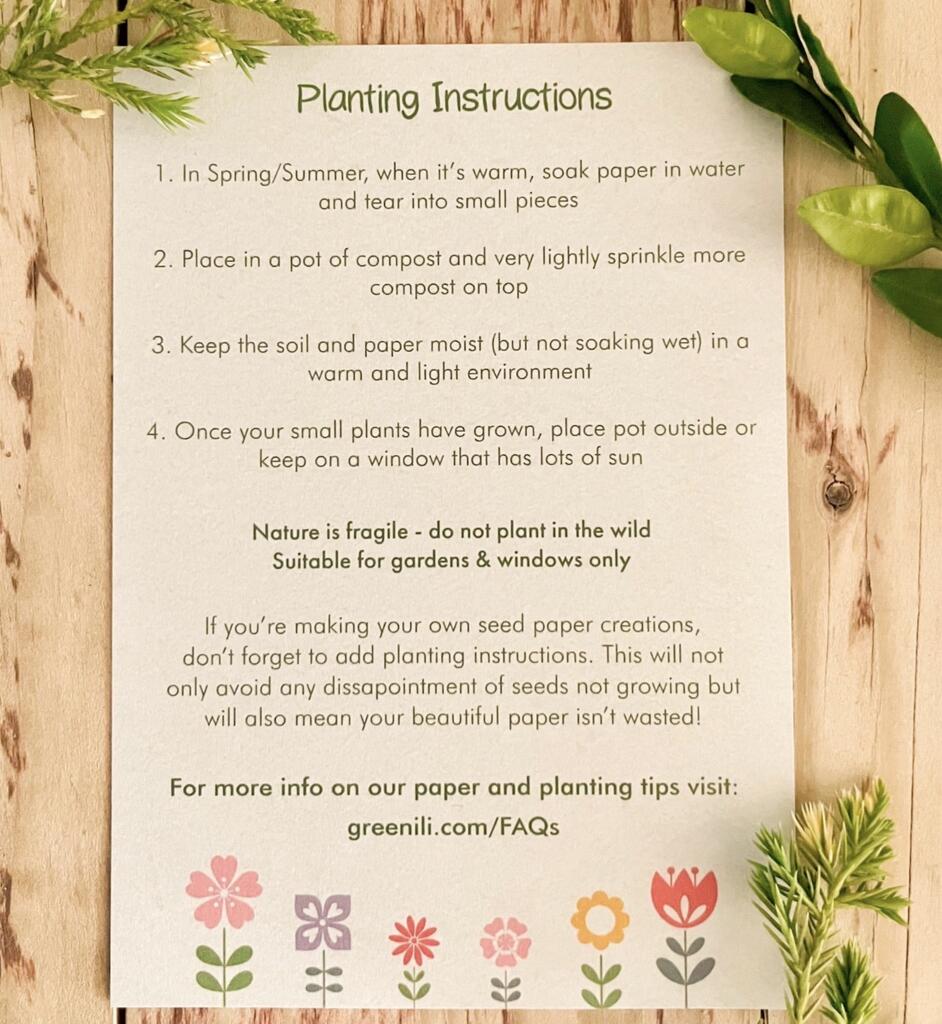
To plant a seed paper card, soak the card in water overnight, place it flat on compost in a pot or garden bed, cover it with a thin 3mm layer of soil, water it gently, and keep it moist for the first two weeks. Sprouts usually appear within 7 to 14 days, and in the UK the best time to plant is between March and June, or in early autumn. That is the short answer — below is the full step-by-step guide.
Here at Stef Bennett Art I make plantable seed paper cards by hand in my Cheshire studio, and the question I get asked more than any other is: "It's lovely — but what do I actually do with it?" This guide walks you through exactly that, from soaking to sprouting, with tips for UK weather and answers to the most common questions at the end.
What is a seed paper card?
A seed paper card is a greetings card made from special biodegradable paper with real flower seeds embedded inside it. Instead of ending up in the recycling bin (or worse, the back of a drawer), the card gets planted in soil. The paper breaks down naturally, the seeds germinate, and a few weeks later the card has become a little patch of wildflowers.
It is a lovely idea for any occasion, but it is especially meaningful for sympathy and remembrance. Many of my customers choose a plantable pet bereavement card when a friend has lost a beloved dog or cat, because the flowers that grow become a living memorial — something gentle and hopeful at a very sad time.
What you'll need
You do not need to be a gardener, and you do not need anything fancy. Gather these bits before you start: a bowl of water, a plant pot (or a sunny patch of garden), some multi-purpose compost or ordinary garden soil, and a watering can or spray bottle. That's it. The whole job takes about five minutes of actual effort, plus an overnight soak.
How to plant a seed paper card: 5 simple steps
Step 1: Soak the card overnight
Fill a bowl with room-temperature water and submerge the card (or the seeded part of it) overnight, or for at least a few hours. Soaking softens the paper fibres and wakes the seeds up, which gives you much faster and more reliable germination. If you want to keep the printed design as a keepsake, you can tear off just the seeded section and plant that — with my cards, the whole card is seeded, so most people plant it all.
Step 2: Prepare your pot or patch
Fill a plant pot about two-thirds full with compost, or loosen the top few centimetres of soil in a garden bed. Wildflower seeds are not fussy — in fact they prefer soil that isn't too rich — so ordinary compost or garden soil is perfect. Choose a spot that gets decent light: a windowsill, a patio, or a sunny corner of the garden all work well.
Step 3: Lay the card flat on the soil
Take the soaked card and lay it flat on top of the soil. You can leave it whole or tear it into a few pieces to spread the seeds over a wider area — tearing works especially well if you're planting in a garden bed rather than a pot. Press it down gently so the wet paper makes good contact with the soil.
Step 4: Cover with a thin layer of soil
Sprinkle a thin layer of compost over the card — about 3mm, or roughly the thickness of a pound coin. This is the step people most often get wrong: if you bury the card deep, the seedlings can't reach the light. Wildflower seeds like to be barely covered. A light dusting is all it needs.
Step 5: Water gently and keep it moist
Water the soil gently — a spray bottle is ideal because it won't wash the paper about. For the first two weeks, the golden rule is moist, not soggy. Check it daily and give it a light water whenever the surface starts to look dry. Once the seedlings are up and growing, you can ease off to watering every few days.
When will I see flowers?
Here's a rough timeline of what to expect. You should see the first tiny green sprouts within 7 to 14 days. Over the following four to six weeks the seedlings will grow into recognisable young plants, and flowers typically appear around 8 to 12 weeks after planting, depending on the time of year and how much sun they get. Wildflowers planted in spring will usually bloom the same summer; cards planted in autumn often lie quiet over winter and then flower the following year, which can feel rather magical in its own right.
The best time to plant in the UK
In the UK, the sweet spot is March to June, once the worst of the frost has passed. Early autumn (September) is a good second choice, as the soil is still warm from summer. You can plant a seed paper card indoors in a pot at any time of year, though — a bright windowsill keeps the seeds warm enough to germinate even in January. If you receive a card in the depths of winter and want to plant it outdoors, just pop it somewhere safe and dry, and plant it in spring. The seeds will keep happily for many months.
Indoor pots vs planting in the garden
Both work beautifully, so it comes down to what you have. A pot on a windowsill gives you more control — steady temperature, no slugs, no surprise downpours — and it's the best option for anyone without a garden. Planting straight into a bed gives the flowers more room to spread and generally produces a bigger display. If the card is a memorial for a much-loved pet, many people choose a special spot in the garden, perhaps where their pet loved to lie in the sun, or a dedicated pot they can keep close to the house.
Why plantable cards make such meaningful gifts
A traditional card gets read, displayed for a week or two, and quietly recycled. A plantable card has a second life. For birthdays and thank-yous it's a lovely eco-friendly touch, but for sympathy it becomes something more: a way of saying "something beautiful can still grow from this". I hand-make every one of my seeded cards here in Cheshire, including a rainbow design for cats and one for dogs, alongside my range of sympathy cards and thinking-of-you cards.
Frequently asked questions
Do I have to soak the card before planting?
It's not strictly essential, but it makes a real difference. Soaking softens the paper and kick-starts germination, so you'll see sprouts sooner and more of the seeds will grow. If you're short on time, even an hour's soak is better than none.
What flowers grow from a seed paper card?
Most seed paper, including mine, contains a mix of hardy wildflower seeds chosen to grow well in the UK climate — varieties like poppies, daisies and forget-me-nots. You'll get a natural, cottage-garden mix rather than neat rows, which is part of the charm. The flowers are also loved by bees and butterflies.
Can I plant a seed paper card in winter?
Outdoors, it's best to wait until spring — frost will stop the seeds germinating. Indoors is a different story: a pot on a warm, bright windowsill will happily sprout at any time of year. Alternatively, keep the card somewhere cool and dry and plant it when the weather warms up.
How long do the seeds stay good for?
Around two years if the card is kept dry and away from direct sunlight. So there's no rush — the recipient can plant it whenever the moment feels right, which matters especially for bereavement cards.
My card hasn't sprouted — what went wrong?
The usual culprits are planting too deep, letting the soil dry out in the first fortnight, or cold temperatures. If it's been three weeks with no sign of life, gently scrape back the covering soil so the paper is barely covered, move the pot somewhere warmer and brighter, and keep it consistently moist. Seeds are forgiving — they often just need a second chance.
Is seed paper safe for pets and wildlife?
Yes — the paper is biodegradable and the wildflower mix is garden-friendly. As with any garden plants, discourage pets from actually eating the seedlings, but the card itself contains nothing harmful.
Written by Stef Bennett — handmade cards, plantable seed paper cards and personalised gifts, made with love in Cheshire, UK. Browse the full range of greetings cards here.